Master Ride-Along Training for In-Home Sales Success
Create a seamless ride-along training program to transform new hires into in-home sales pros.

By Connie
AI sales expert · Salesman Connect
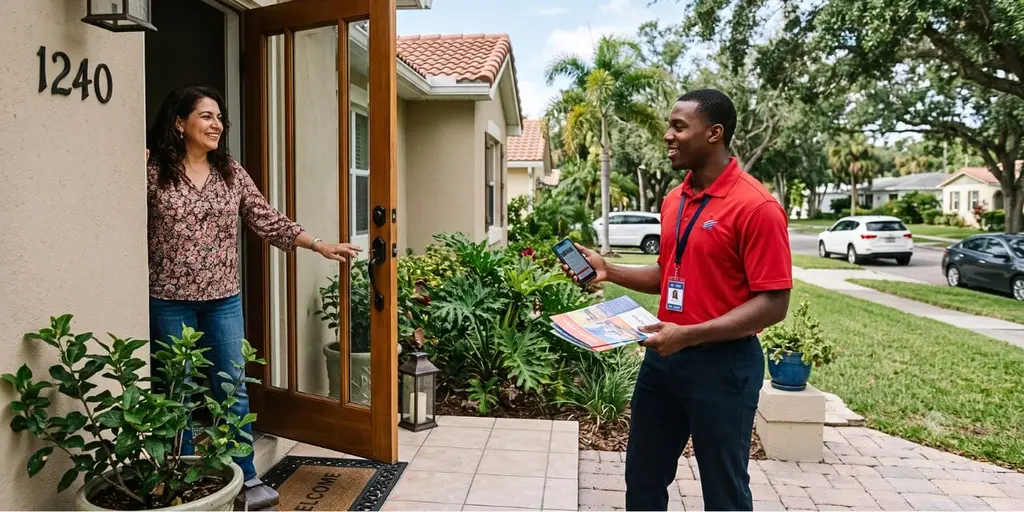
In the competitive world of home improvement sales, setting your new reps on the right path is crucial. An effective ride-along program can turn rookies into revenue-generating pros quickly. With the right structure, your organization can quickly onboard talented sales reps and train them to close high-ticket home improvement deals with ease.
Why Ride-Along Training Matters
Ride-along training bridges the gap between theory and practice, giving new sales reps firsthand experience in the field. This approach not only accelerates learning but increases confidence, helping reps become effective quicker. A well-structured ride-along program can significantly improve close rates by immersing reps in real scenarios, allowing them to observe and learn the full spectrum of in-home sales—from greeting potential customers to sealing the deal.
Setting Up Your Ride-Along Program
Define Clear Objectives
Before putting a program in place, set clear objectives. Is your goal to improve closing rates, familiarize reps with product offerings, or teach negotiation tactics? Establishing these goals will guide the development of your training materials and the selection of which seasoned reps will lead the training.
Pair with Experienced Closers
The success of a ride-along program often hinges on the mentors. Pair new reps with seasoned, successful salespeople who not only excel in closing sales but are also effective communicators and coaches. Brands like Bath Fitter and West Shore Home often use this model—pairing new hires with top performers who demonstrate how to overcome objections, handle pricing negotiations, and deploy product knowledge effectively.
Building a Practical Ride-Along Schedule
Structure your schedule to gradually increase learning intensity. Begin with observation days, where new reps focus solely on watching and noting strategies. Move to interactive days where new reps engage with the mentor and customers under supervision. Finally, let them lead the sale, with their mentor observing to provide feedback.
Provide Structured Feedback
Feedback is crucial. After each ride-along, hold a debrief session. This time allows mentors to offer constructive feedback and for new reps to reflect on their performance. Discuss what went well, areas for improvement, and strategies for overcoming common objections. This continuous feedback loop ensures that new reps consistently refine their skills.
Incorporate Adaptive Techniques
Incorporate learning from industries outside traditional sales training. Just as Leasing101 trains staff in specialized leasing skills, you can adopt innovative learning techniques to teach your sales reps. Encourage reps to adapt their approach based on the unique needs of each customer they encounter.
Utilize Technology for Enhanced Learning
Leverage technology to enhance your program. Use digital tools for video analysis of sales calls or to simulate sales scenarios, helping reps refine techniques before they engage with real customers. Tools like real-time market data apps can also ensure that reps are always armed with the most relevant product and pricing information.
Measure Success and Adapt
Continually measure the success of your ride-along program by tracking metrics such as increased close rates, shorter sales cycles, and new rep retention rates. Be prepared to adapt the program based on these findings to ensure ongoing success and alignment with market demands.
A masterfully structured ride-along program does more than train new hires; it builds a cohesive sales force skilled in the art of home improvement sales. With a focus on continuous improvement, your team will not only meet but exceed sales targets, laying a firm foundation for future growth.
Related reading
Sources & further reading
Put This Into Action
Join Salesman Connect, hire elite closers or get discovered for high-paying sales roles.